
The Gift of Presence

We all know what it feels like to talk to someone who isn’t really listening or to realize we weren’t fully paying attention ourselves. In our busy lives, it’s easy for our minds to get distracted and for attention to get pulled in a dozen directions at once.
This tendency becomes especially acute during the holiday season, when expectations multiply and time feels scarce. We try to show up everywhere, do everything, but often at the cost of being fully present with the moments and people right in front of us.
As we gather to celebrate the holidays and close another year, there is a gentle invitation to pause and ask a different question: instead of doing more, what would it look like to be more present—with ourselves and with one another?
This idea of presence is at the heart of my new book, Living with the HEART in Mind, and a practice I am actively working to strengthen in my own life. Here’s a snippet:
“Author and meditation teacher Oren Jay Sofer defines presence as the experience of being fully aware and sensing one’s body in the present moment.
This means that we are not running on autopilot or mechanically responding to social interactions; we are engaging our full attention to notice our thoughts, emotions, body sensations, needs, and judgments. In doing so, we can avoid reactivity, be more grounded to receive the other person, and whatever happens during the dynamic interaction.
When we bring presence in our conversations and daily life, we don’t let our feelings or judgments take control, but also we don’t move away from recognizing what’s really happening. With presence, we recognize “what is” and work to stay alert and balanced in our interactions.
Practicing presence means intentionally using the first three HEART skills:
- Honor Your Emotions. Presence begins by turning inward. We notice how our body responds—tightness in the chest, butterflies in the stomach, or calmness—and acknowledge these sensations as signals to understand our feelings.
- Elect Your Responses. Awareness allows us to choose our words and actions. By pausing, taking a breath, and considering the impact of our responses, we move from reactivity to mindful action. For example, if you feel overwhelmed in a conversation, you might say, “I’m feeling a bit overwhelmed right now. Can we take a break and come back to this later?” This honors both the conversation and your need to ground yourself.
- Apply Empathy. Presence also means turning outward. We listen without judgment or defensiveness, seeking to understand the feelings and needs behind the words. This includes empathy for ourselves: when we slip into old habits, we extend self-compassion and recommit to showing up fully in the next moment.
When we intentionally cultivate presence, we bring awareness to our communication patterns and the ways we speak and listen to each other. We are clear about the intention behind our interactions, noticing our judgment or resistance, and opening ourselves to meaningful connection.”
As the year comes to a close, my hope is that we give ourselves permission to slow down, soften expectations, and choose to be present with ourselves and others.
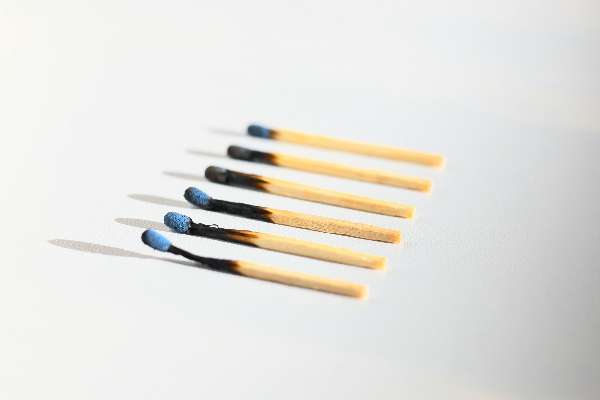
Photo by Kira auf der Heide
Enjoyed this post?
Subscribe to the HEART in Mind Newsletter to get new articles, tips, and inspiration delivered straight to your inbox.
We don’t share your email with anybody. Unsubscribe anytime.





Subscribe to the HEART in Mind Newsletter
Tools to develop emotional intelligence and improve well-being